

Our project is a collaborative effort among three coordinating centres: Radboudumc/Donders Institute, King’s College London, and Oslo University Hospital, with each centre contributing distinct expertise. We partner with institutions across Europe to compile a comprehensive database of cognition data from individuals living with psychosis. This initiative, funded by the Wellcome Trust Foundation and is planned to span three years.

Individuals with Psychosis
We approach people with lived experience of psychosis and ask them to be involved in the project planning, implementation, dissemination, and governance.
Year 1

Focus Groups
In focus groups, we aim to deepen our understanding of how cognitive impairments influence the day-to-day lives of people living with psychosis and their close supporters.
Year 1

Evaluation
During the evaluation stage, we analyze the findings from the focus groups to identify key cognitive measures that will be used in the analytical phase of the project.
Year 2

Data Gathering
While organizing the focus groups, we will gather cognition data of healthy people and people living with psychosis by concatenating openly available data resources and by collaborating with specialized centers.
Year 1
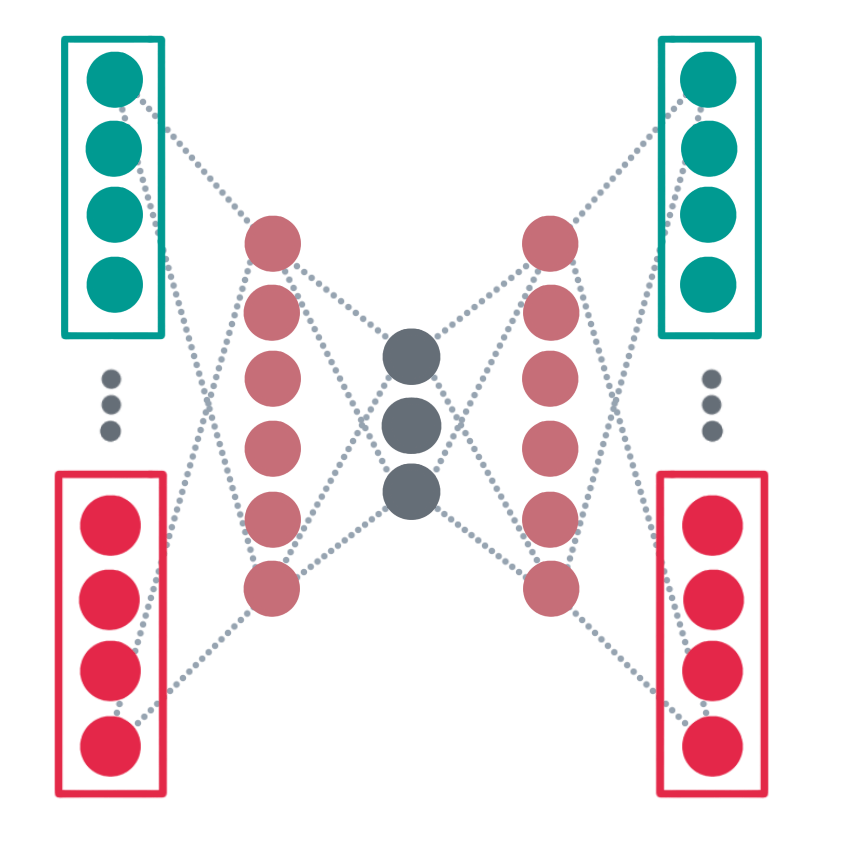
Data Harmonisation
After collecting the data, we will design a strategy to harmonize cognition scales across diverse socio-demographic groups, languages, and cognitive domains.
Year 1
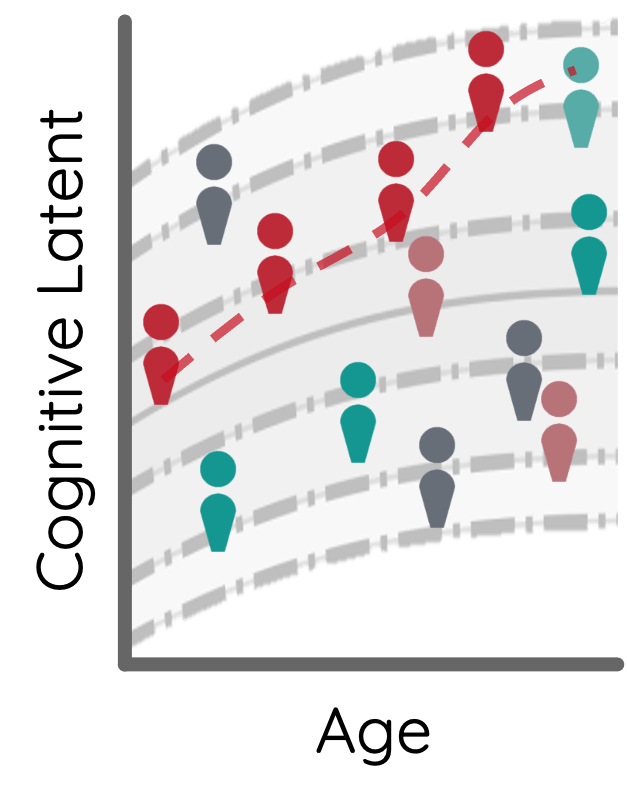
Cognitive Lifespan Models
After completing the harmonization process, we will develop cognitive lifespan population reference models for the cognition measures identified in the focus group sessions, which can be used to track individual deviations.
Year 2

Individual Prediction
Our final aim is to predict functional outcomes in people with psychosis using the cognitive lifespan models. This will enable us to understand the progression of the disorder on an individual level and predict the early onset of psychosis.
 PRECOGNITION