
Principal investigators
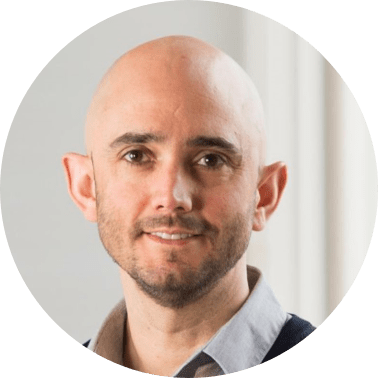
Andre Marquand
Andre Marquand is a computational neuroscientist interested in the development of machine learning models and their application to clinical data including neuroimaging, smartphone monitoring, genetics, symptoms and environmental data.
He leads the Predictive Clinical Neuroscience research group at the Donders Institute for Brain Cognition and Behaviour at Radboud University Medical Centre in the Netherlands which aims to develop innovative data analytic methodology for the analysis of complex biomedical data.
He was also one of the pioneers driving the development of machine learning to predicting clinical variables from neuroimaging data. His research is supported by generous awards from the Wellcome Trust, the European Research Council and the European Commission.
Contact: andre.marquand@donders.ru.nl
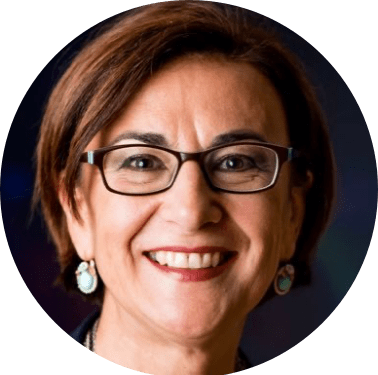
Paola Dazzan
Paola Dazzan is Professor of Neurobiology of Psychosis and Vice Dean for International Affairs at the Institute of Psychiatry, Psychology and Neuroscience, King’s College London (United Kingdom). She is a practising clinician and Consultant Perinatal Psychiatrist.
She trained as a psychiatrist, and is a Fellow of the Royal College of Psychiatrists. She is the Lead for the Psychosis Theme of the KCL NIHR Biomedical Research Centre and the President Elect of the Schizophrenia International Research Society.
She is known for her work on the relationship between brain magnetic resonance imaging (MRI) data and other biological measures such as neurodevelopmental indices, stress and inflammatory markers, and reproductive hormones, and the onset and outcome of psychoses and severe mental health problems. She studies these phenomena in adolescents and in young individuals in the early stages of psychosis.
Contact: paola.dazzan@kcl.ac.uk
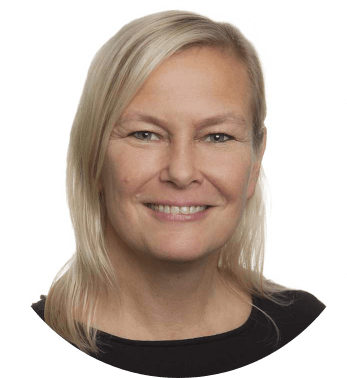
Torill Ueland
Torill Ueland is a senior researcher at CoE NORMENT (Norwegian Center for Mental Disorders Research), Oslo University Hospital, Norway and an associate professor at the Department of Psychology, University of Oslo. She is also a board-certified clinical neuropsychologist.
Her research is focused on cognition in schizophrenia and bipolar disorder, particularly the early stages of illness.
Specific areas of interest are cognitive heterogeneity, the longitudinal course of cognitive functioning and the relationship between cognition, symptom profiles, and functional outcome. She has conducted several RCTs of cognitive remediation for people schizophrenia and contributed to developing a vocational rehabilitation program integrating cognitive remediation.
Contact: torill.ueland@psykologi.uio.no

Cecilie Busch
Cecilie worked as a lived experience expert at the Norwegian Centre for Mental Disorders Research (NORMENT) before joining the Precognition project. She coordinated NORMENT´s user council and the Stakeholder Forum of the EU-project CoMorMent. She still provides feedback on funding applications to ensure value from a lived experience perspective, as well as being a stakeholder in several European projects, EU-project environMENTAL and others.
Recently she took the initiative to, organized and lead a research seminar aimed at people with psychotic- and bipolar disorders, next of kin and health workers. She is a volunteer in the Norwegian Bipolar Association since 2018.
Cecilie experienced that cognitive difficulties strongly influenced the mid part of her law studies, as she then developed bipolar disorder. Despite this, she completed her Master of Laws degree in 2005 specializing in health law. Cecilie advocates that knowledge is empowering.
Contact: cecilie.busch@ous-research.no
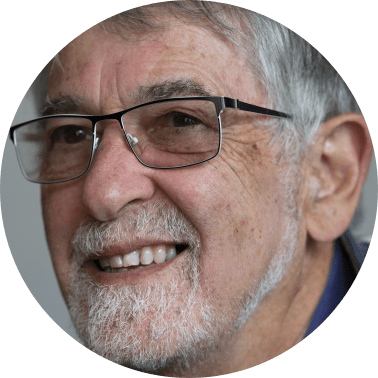
David Shiers
David is an honorary reader in early psychosis at Manchester University. In a previous life David had been a GP in Leek, North Staffordshire. His interest in mental health arose from personal involvement as a carer from the mid 90s.
Derived from what he felt was lacking in his daughter’s early experiences of care David jointly led with Professor Jo Smith the UK’s National Early Intervention in Psychosis Programme (2004-10).
Now retired, David continues to challenge why people like his daughter should accept poor physical health, participating in relevant NICE guidance and quality standards, and as a clinical adviser to National Clinical Audits of Schizophrenia/Psychosis (2011-2018).
He began his academic appointment in 2015, something he never anticipated, 41 years after qualifying to be a doctor, and particularly as his only previous research experience was conducted in his veg plot collaborating with his young grandsons on ways to grow giant pumpkins.
Contact: david.shiers@doctors.org.uk
Researchers
Barbora Rehák Bučková
Barbora is a postdoctoral researcher in the Predictive Clinical Neuroscience group at Radboud University Medical Centre. She completed her Ph.D. in Artificial Intelligence and Biocybernetics in Prague, collaborating with researchers at Donders Institute and the University of Pennsylvania during her studies.
With a strong foundation in computational biology and statistics, Barbora focuses her research on methods development in the areas of multimodal fusion and normative modelling. She is very passionate about translating scientific discoveries into practical applications and making pretty figures.
Contact: Barbora.Rehak-Buckova@radboudumc.nl

Charlotte Fraza
Charlotte Fraza, a third-year Ph.D. student at the Predictive Clinical Neuroscience Lab, has a background in Theoretical Physics from the University of Utrecht.
She also completed an international master’s program in Vision Science across France, Spain, Finland, and Japan.
Currently, she’s focused on developing new methods for normative modeling, with a keen interest in extreme values.
In her free time, she enjoys creating videos and writing blog posts.
Contact: charlotte.fraza@donders.ru.nl
Giulia Cattarinussi
Giulia Cattarinussi is a psychiatrist, a PhD candidate in Neuroscience and a research assistant in the Department of Psychological Medicine at the Institute of Psychiatry, Psychology and Neuroscience in London.
She is interested in neuroimaging and cognitive markers associated the risk of psychosis.
Contact: giulia.cattarinussi@kcl.ac.uk
Andrew Lawrence
Andrew is a postdoc in Prof. Paola Dazzan’s group in the Department of Psychological Medicine, Institute of Psychiatry, Psychology and Neuroscience (King’s College London, London, UK).
From a background in experimental psychology and neuropsychology his research interests include structural and functional MRI networks and application of longitudinal and prediction modelling methods to psychiatric research.
Contact: andrew.lawrence@kcl.ac.uk

Camilla Bärthel Flaaten
Camilla is a postdoctoral fellow at the department of clinical psychosis research at Oslo University Hospital. She is a clinical psychologist and master of cognitive neuroscience, with a PhD on the course of intellectual and cognitive functions in schizophrenia and bipolar disorder.
As a part of the Precognition project her research focus is on premorbid functioning in psychotic disorders, and associations with cognitive and functional outcomes, using data from the Norwegian TOP study and Mother, Father and Child (MoBa) cohort study.
Contact: camilla.flaaten@gmail.com
Collaborators

Bjørn Ebdrup
Professor Bjørn Ebdrup is a psychiatrist and a leader of the Center for Neuropsychiatric Schizophrenia Research (CNSR).
The research of CNSR is devoted to increase our understanding of the neurobiology of psychosis, including the trajectories leading to psychiatric vulnerability and psychopathology.
The research philosophy of CNSR is to apply complex, computational methodologies to multimodal neuropsychiatric examinations, including brain scans, cognitive tests and blood/metabolic markers.
Cecilie Koldbæk Lemvigh
Cecilie is a postdoctoral researcher at the Center for Neuropsychiatric Schizophrenia Research and part time clinical psychologist at Open ward, Mental Health Centre Glostrup.
Her primary research interest is to examine developmental trajectories leading to psychosis focusing on cognitive deficits and brain abnormalities.
Cecilie’s projects integrate various types of data (register and clinical) from multiple modalities (psychopathology, cognition, neuroimaging). She have carried out studies within both adult, child, and adolescent patients.
Cecilie is currently also involved in the COPSYCH study; A prospective birth cohort of 700 mother-child pairs.
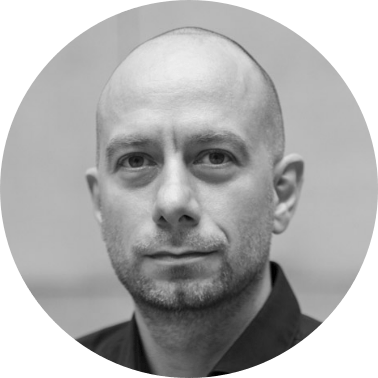
Jaroslav Hlinka
Jaroslav is leading the COBRA working group and serves as the Chair of the Council of the Institute of Computer Science of the Czech Academy of Sciences.
He is interested in the development and application of mathematical methods for characterization of the interaction structure of real-world complex systems (such as human brain or the Earth’s climate) from multivariate observation data.
Since 2013, he serves as head of one of the institute’s department, supervises PhD students and acts as principal investigator in interdisciplinary grants.

Lars Westlye
Lars is a professor at the Department of Psychology, University of Oslo and Core Researcher and group leader at the Norwegian Center for Mental Disorders Research (NORMENT), Oslo University Hospital/University of Oslo.
His research group utilizes various advanced MRI neuroimaging data and analysis approaches, with a particular emphasis on measures of structural (diffusion tensor imaging, DTI) and functional connectivity, and its integration using multimodal analysis approaches.
In particular, by applying machine learning algorithms, his team is investigating the clinical and cognitive sensitivity and specificity of various brain network-modeling approaches, including principles from graph theory

Ole Andreassen
Ole Andreassen is a professor in psychiatry at University of Oslo, and Director of Norwegian Centre for Mental Disorders Research (NORMENT).
Andreassen has a PhD in psychopharmacology and post doc in molecular neuroscience. He is attending psychiatrist at Oslo University Hospital.
He has applies clinical, neurocognitive, and brain imaging phenotypes and molecular genetics tools to identify causes and underlying pathophysiology mental disorders, and has developed multimodal stratification tools for precision medicine applications.
He chairs international consortia in genetics (PGC) and brain imaging (ENIGMA), and coordinates European Horizon 2020 projects, leveraging large Nordic biobank and registry resources.
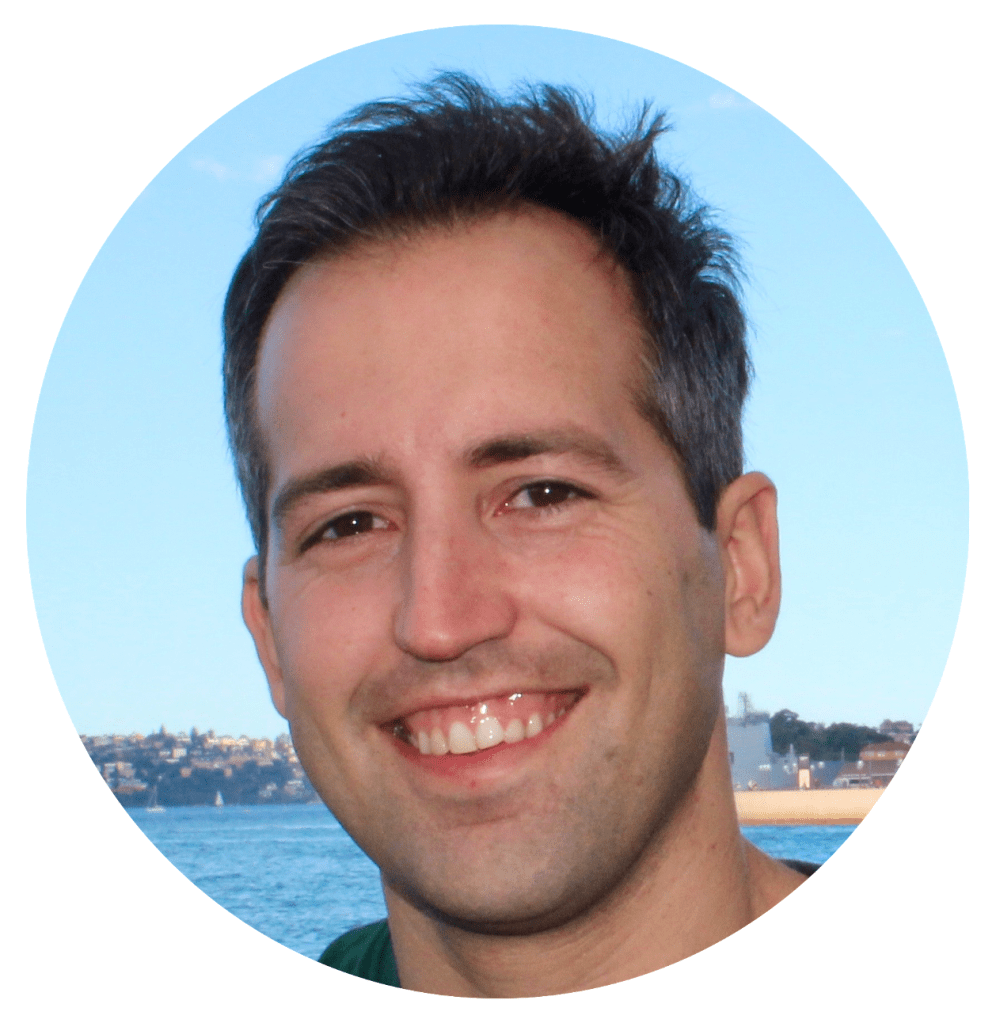
Manuel Muñoz Caracuel
Is a postdoctoral researcher and clinical psychologist at Virgen del Rocío University Hospital (Seville). He works in a first-episode psychosis unit focused on early detection and intervention.
His scientific background is in cognitive neuroscience, neurophysiology, and neuroimaging. His primary research interest lies in identifying early multimodal markers associated with clinical outcomes in psychosis.
Contact: mmunoz41@us.es
 PRECOGNITION